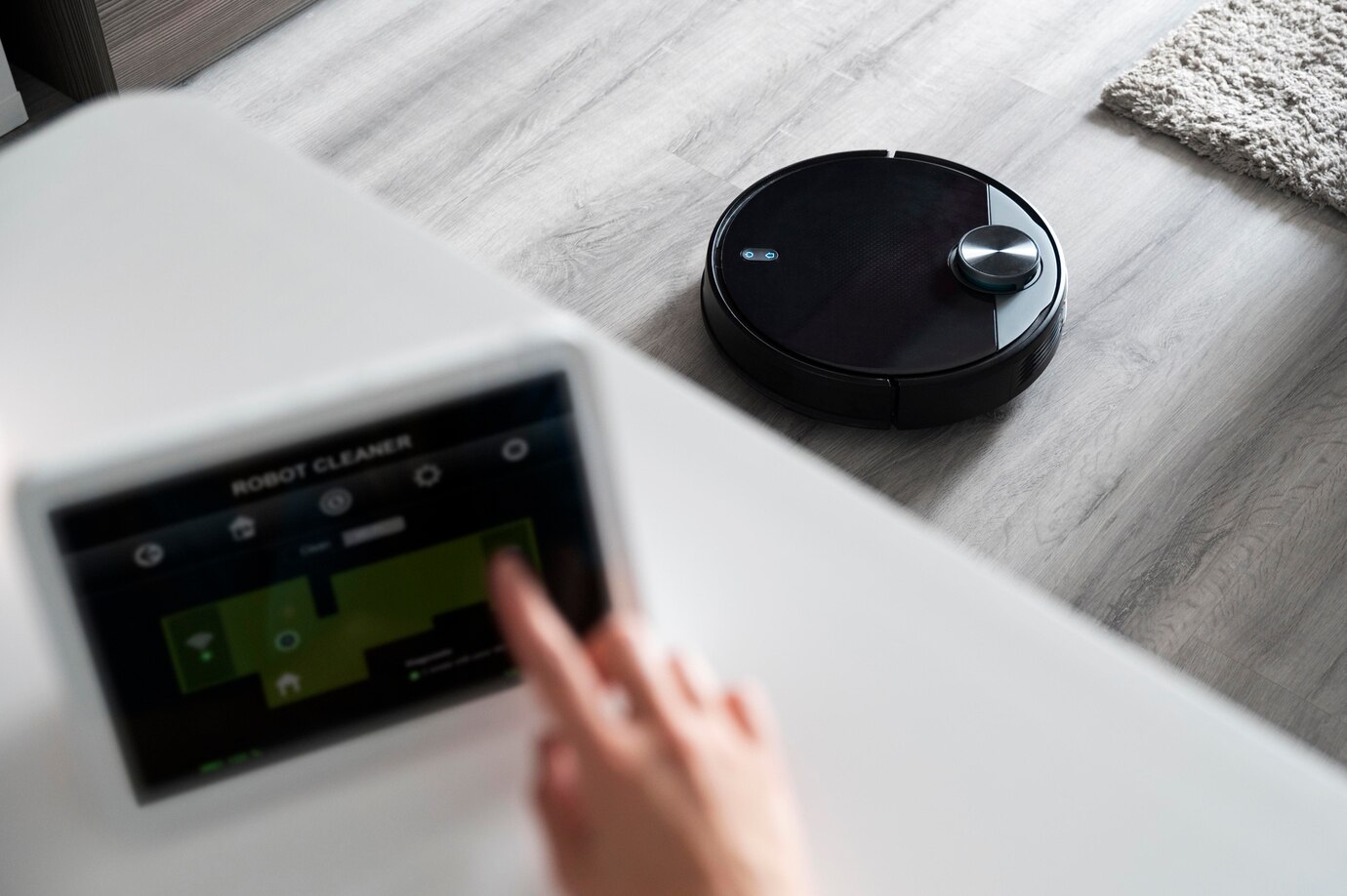
The Future of Smart Home Automation: Trends and Innovations
As smart home technology continues to evolve, new innovations and trends are reshaping how we interact with our living spaces. Here’s a glimpse into what the future holds for smart home automation:
Emerging Technologies
Artificial Intelligence (AI): AI-powered assistants that learn user preferences and anticipate needs, enhancing automation and personalization.
5G Connectivity: Faster and more reliable wireless connectivity, enabling real-time control and streaming of high-definition content.
Augmented Reality (AR): AR applications for home design and maintenance, allowing users to visualize changes before implementation.
Innovations in Smart Home Devices
Health and Wellness: Smart devices that monitor health metrics (heart rate, sleep patterns) and adjust home environments accordingly.
Energy Efficiency: Advanced sensors and algorithms that optimize energy usage based on real-time data and user behavior.
Enhanced Security: AI-powered cameras and facial recognition technology for improved home security and access control.
Predictions for the Future
Integration of Smart Cities: Smart homes will be integrated into broader smart city initiatives, sharing data and resources for urban sustainability.
Personalization: Customized experiences based on individual preferences, from lighting and temperature settings to entertainment recommendations.
Environmental Impact: Greater emphasis on eco-friendly technologies and sustainable practices within smart home ecosystems.
Preparing for the Future
Early Adoption: Stay informed about new technologies and devices entering the market. Early adoption can provide competitive advantages and enhanced user experiences.
Scalability: Invest in scalable solutions that can accommodate future upgrades and expansions as technology evolves.
The future of smart home automation is promising, offering endless possibilities for enhancing comfort, efficiency, and sustainability in our daily lives. Embrace these trends to create a smarter, more connected home environment.