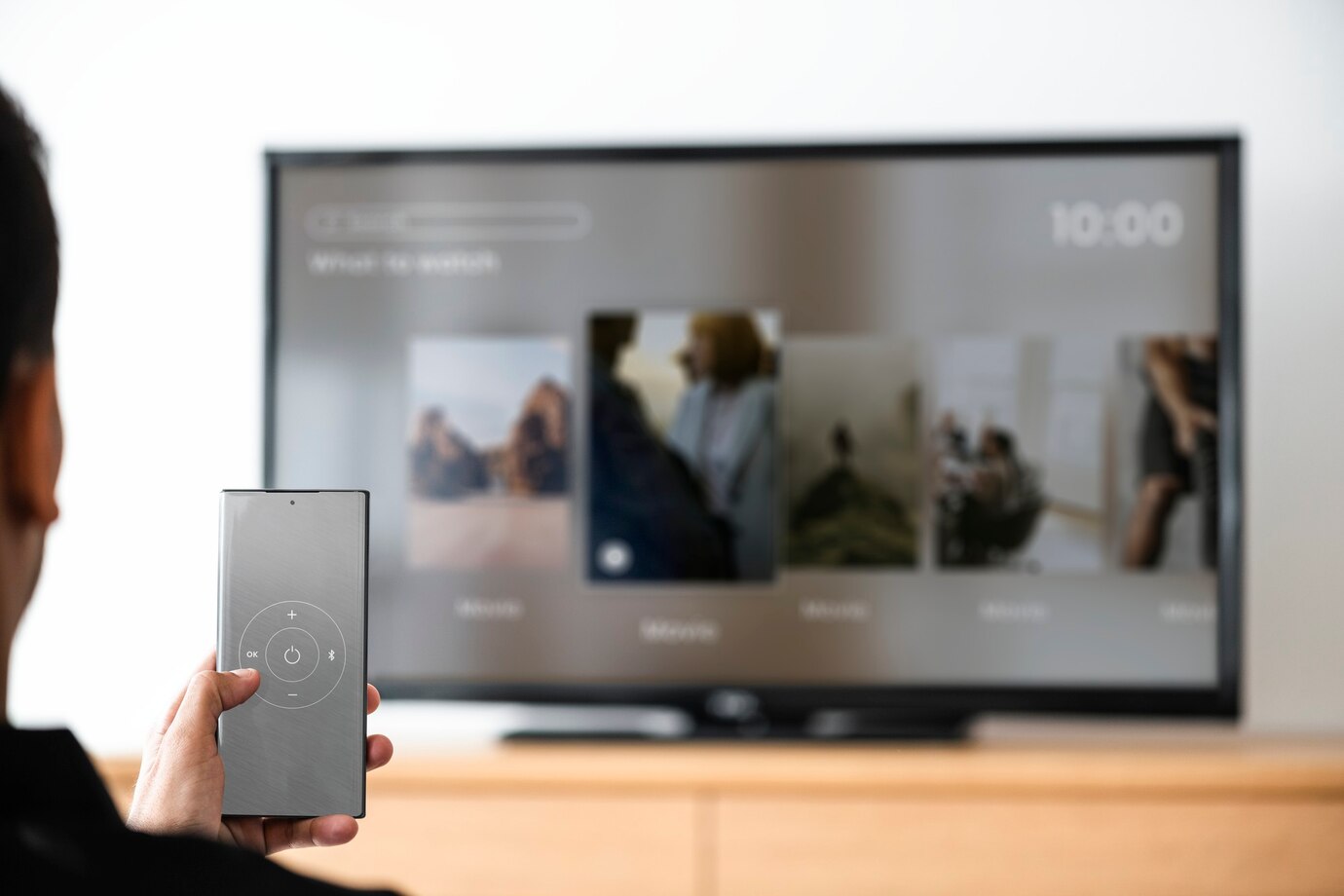
Smart Home Entertainment Systems: Immersive Experiences
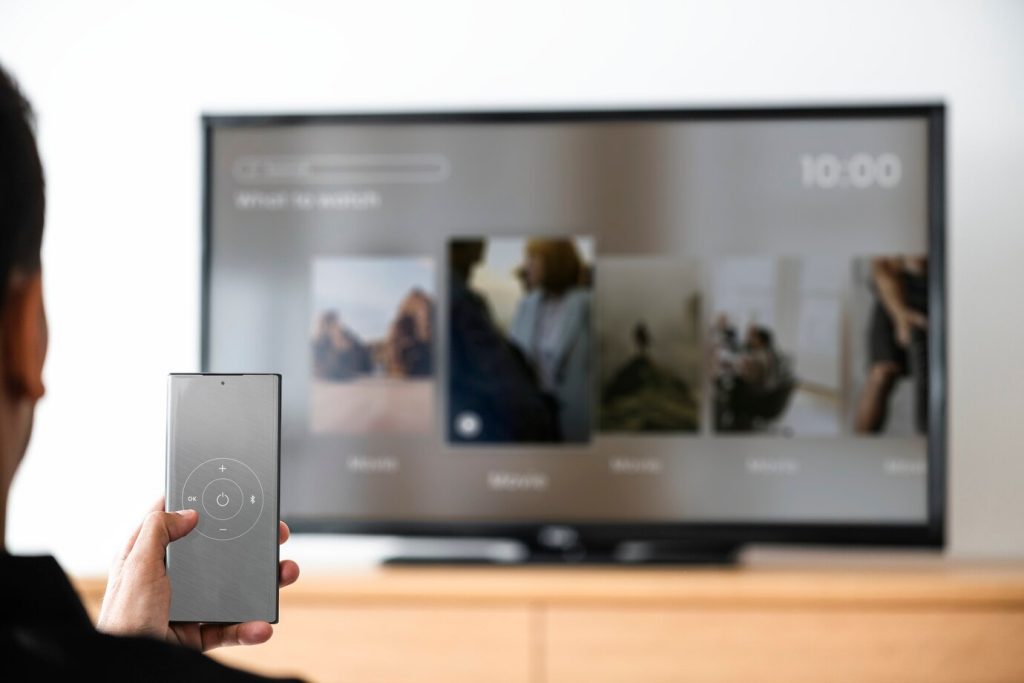
Smart home entertainment systems go beyond traditional setups, offering integration, control, and immersive experiences. Here’s how these systems can transform your home entertainment:
Components of Smart Home Entertainment Systems
Smart TVs: Connected TVs with built-in streaming services (Netflix, Hulu) and voice control capabilities (Alexa, Google Assistant).
Sound Systems: Wireless speakers and soundbars that offer surround sound, Dolby Atmos, and integration with smart assistants for voice commands.
Streaming Devices: Media players (Apple TV, Roku) that provide access to a wide range of content and apps, enhancing entertainment options.
Features and Benefits
Integration: Sync smart TVs, sound systems, and streaming devices for seamless control and enhanced user experience.
Voice Control: Manage entertainment settings using voice commands, adjusting volume, selecting content, or controlling playback.
Enhanced Viewing and Listening: Enjoy high-definition visuals and immersive audio quality with advanced technologies like 4K HDR and Dolby Atmos.
Creating a Smart Home Theater
Room Design: Plan seating arrangement and TV placement for optimal viewing angles and acoustics.
Lighting Control: Install smart lighting to dim lights during movie nights or create ambiance for different viewing experiences.
Wireless Connectivity: Ensure strong Wi-Fi or Ethernet connection for uninterrupted streaming and device communication.
Choosing the Right System
Compatibility: Ensure compatibility with your existing smart home setup and preferred streaming services.
Audio Quality: Evaluate sound system specifications (surround sound, bass response) for an immersive audio experience.
Transform your living room into a smart home theater with entertainment systems that offer connectivity, control, and immersive experiences. Explore options that fit your preferences and create memorable entertainment moments at home.