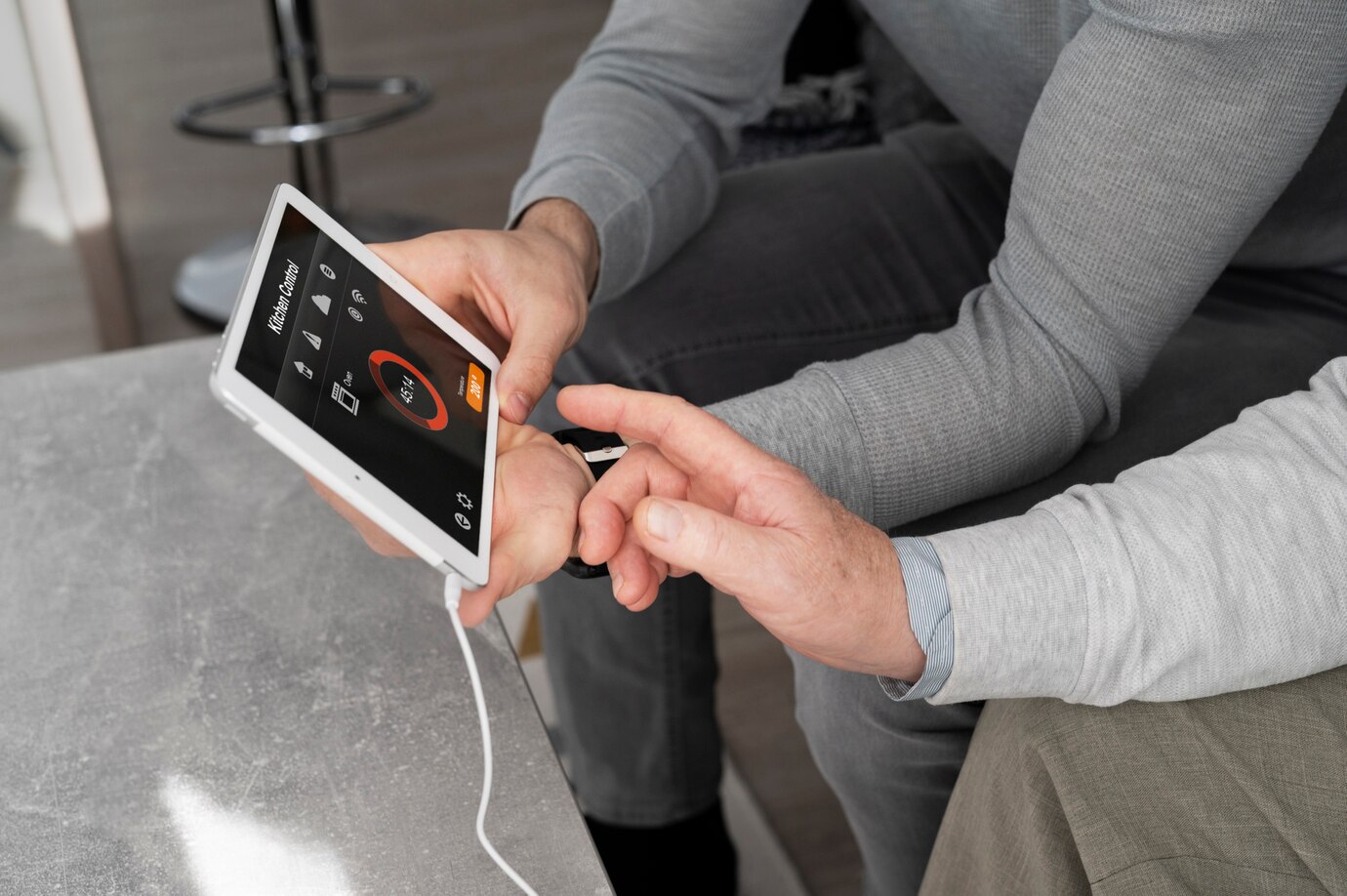
Smart Home Automation: Enhancing Accessibility for Elderly and Disabled Individuals
Smart home automation is transforming the lives of elderly and disabled individuals by providing accessible solutions that enhance independence and quality of life. Here’s how:
Benefits of Smart Home Automation for Accessibility
Remote Monitoring and Assistance: Family members or caregivers can remotely monitor and assist individuals using smart devices.
Voice Control: Operate home devices (lights, thermostats, appliances) with voice commands, eliminating the need for manual adjustments.
Emergency Response Systems: Integrated sensors and alarms alert caregivers or emergency services in case of falls or health emergencies.
Features and Applications
Smart Lighting: Automatic lighting adjustments based on movement or time of day, improving visibility and safety.
Smart Locks: Remote locking/unlocking capabilities and integration with voice assistants for convenient access.
Health Monitoring Devices: Wearable sensors or smart health monitors track vital signs and notify caregivers of any abnormalities.
Enhancing Comfort and Safety
Fall Detection: Sensors detect falls and send alerts to caregivers or emergency contacts for immediate assistance.
Customizable Settings: Adjust settings for personalized comfort, including temperature preferences and daily routines.
Privacy and Security: Ensure data protection and secure communication channels for sensitive information and interactions.
Choosing Smart Home Solutions
Consultation and Assessment: Conduct a home assessment to identify specific needs and recommend suitable smart home solutions.
Installation and Training: Provide installation services and user training to ensure individuals can use devices effectively.
Empower elderly and disabled individuals with smart home automation solutions that enhance accessibility, safety, and quality of life. Embrace technology to create inclusive living environments that support independence and well-being.